
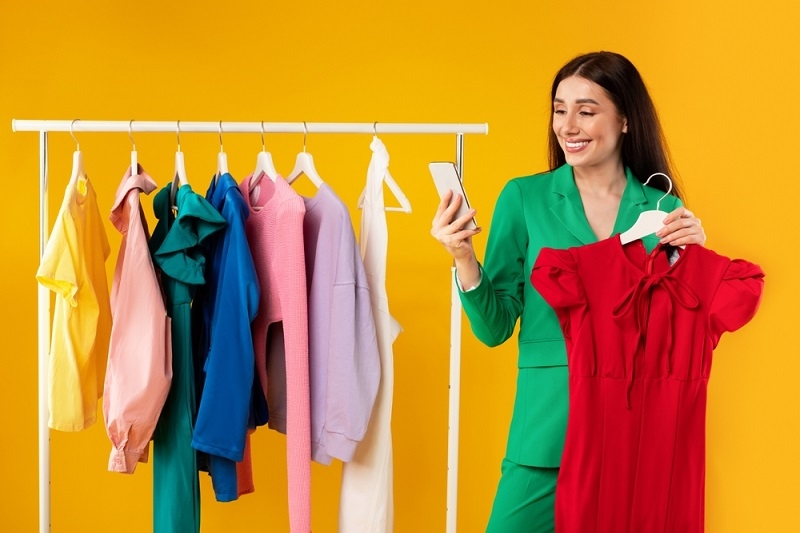
If you stand in front of your wardrobe every morning and still feel stuck, the problem usually is not a lack of clothes. It is a lack of structure. That is where understanding how to use AI outfit generator tools properly can actually help.
Used correctly, these tools are not gimmicks. They help you organize what you already own and turn it into wearable, repeatable outfits.
Here is a simple, practical AI fashion styling guide that works.
How to Use AI Outfit Generator the Right Way
Most people open the tool, type something vague, and expect magic. That is not how it works. If you really want results, you need to be intentional. Below are the steps to use AI outfit generator like StyleGPT.com
Step 1: Be Clear About What You Own
Start by uploading your actual pieces or listing them properly. Mention:
- Type of item
- Color
- Fit
- Season
For example, instead of saying “blue top,” say “light blue oversized cotton shirt.” The more specific you are, the more wearable the results will be.
This is one of the most overlooked AI stylist tips.
Step 2: Define the Occasion
Every outfit depends on context. Work looks different from brunch. Travel looks different from date night.
In case of learning to use AI outfit generator tools, it is always necessary to set the situation first:
- Office: dress code is business-casual.
- Casual weekend errands
- Evening dinner
- Summer vacation
This eliminates arbitrary combinations and provides you with organised recommendations.
Step 3: Edit the Suggestions
Do not accept the first result blindly.
Look at:
- Proportion
- Color balance
- Footwear practicality
- Weather relevance
Swap pieces if needed. Replace heels with flats. Change a fitted blazer to something relaxed. The tool suggests. You refine.
This is an appropriate use of AI dress-up generator systems rather than random scrolling.
Practical AI Stylist Tips That Actually Work
You must implement these AI stylist guidelines on all occasions to achieve your desired results.
Be Specific With Style Direction
Mention minimal, sporty, classic, relaxed, sharp, neutral, monochrome. Clear direction improves accuracy.
Keep Your Wardrobe Updated
Add new pieces. Remove items you do not wear. If your input is outdated, the results will be too.
Use It for Weekly Planning
Instead of daily panic styling, generate five outfits at once. Save them. Screenshot them. Plan ahead.
These small habits turn the tool into a reliable system rather than a random generator.
Using It as an AI Fashion Styling Guide
Think of it as a reference system.
If you are unsure how to pair wide leg trousers, generate combinations.
If you want to restyle one blazer five ways, test it digitally first.
If you are building a capsule wardrobe, check how often items repeat in suggestions.
That is how an AI fashion styling guide becomes useful in real life. It shows you patterns in your wardrobe. It helps you see gaps. It also prevents unnecessary shopping because you start seeing new combinations inside what you already own.
What It Cannot Do
It cannot understand your confidence level.
It cannot feel fabric quality.
It cannot judge whether something aligns with your personality.
That part is yours.
Understanding how to use AI outfit generator tools means using them as support, not authority. You stay in control.
Final Take
Learning to use AI outfit generator tools correctly creates three advantages which include shorter time requirements and decreased decision-making stress and improved daily clothing choices.
The system requires clear input specifications from users.
Set the occasion.
Edit suggestions.
Apply consistent AI stylist tips.
Use it as your personal AI fashion styling guide.
It is not about letting software dress you. It is about organizing your wardrobe smarter so getting dressed feels easier and more put together every day.